Ask Aaron
Your go-to resource for all questions around relationships, HIV, and PrEP
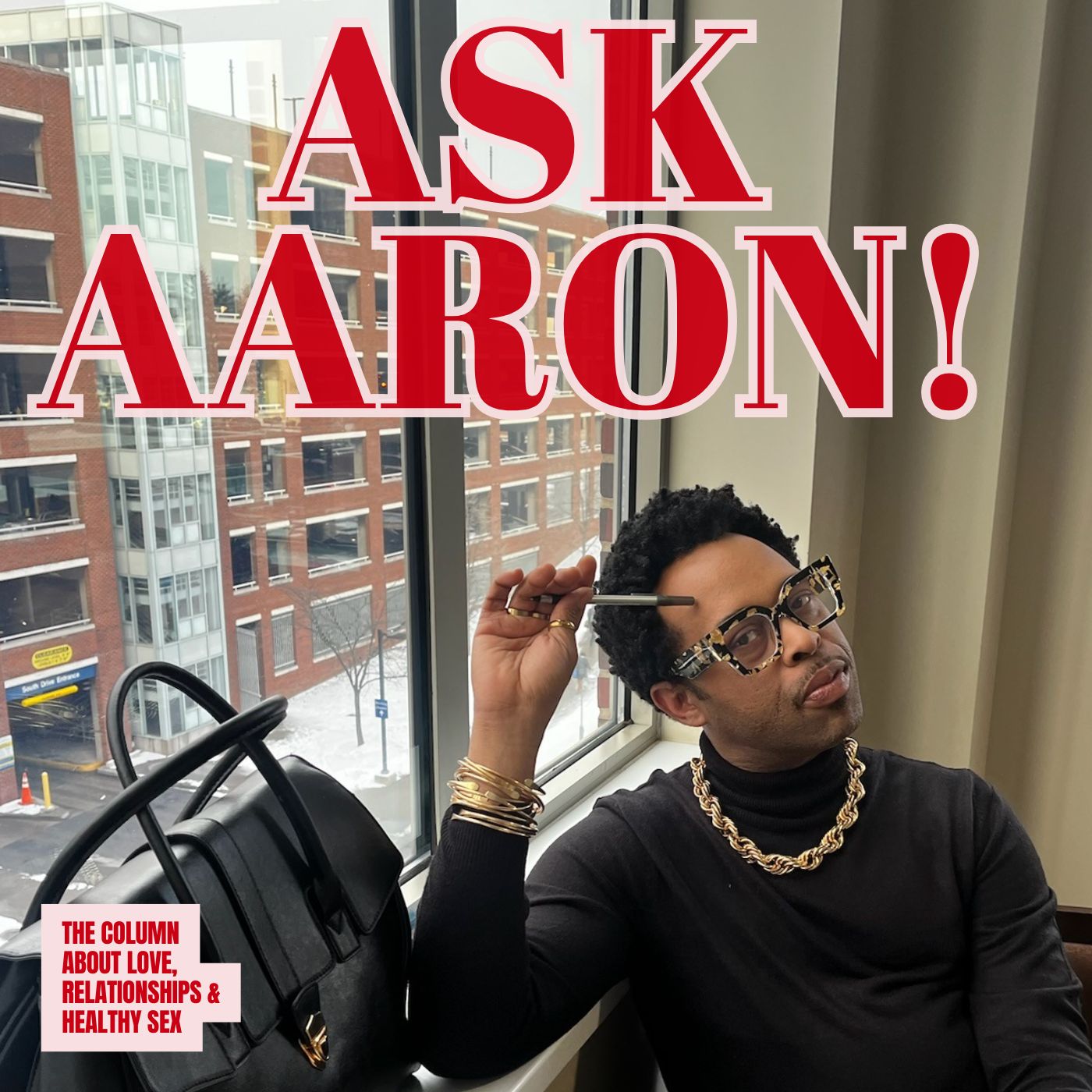
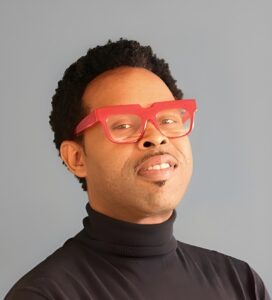
Aaron Brown is URMC’s PrEP Specialist working with the Dept of Medicine’s Infectious Disease clinical team. Have a question about navigating PrEP or relationships to keep yourself and others healthy? Contact him at askaaron@rochestervictoryalliance.org.
Dear Aaron,

Dear Aaron,
I think my partner is cheating on me. I caught him deleting messages from his inbox on IG and messaging people on vanishing mode. I found condoms in his car (and we’ve been having condomless sex for over a year now). When I asked him about it, he gaslit me into an argument then left for two days. How can I find out the truth and if I bring the proof that I have, would that make him admit he’s cheating?”
Omg, Friend!
My heart breaks for you as I read that. Not just because you’re wondering whether your partner is cheating, but because you sound exhausted from trying to find the answer. And trust me, I understand that feeling. I’ve been there—waiting until someone goes to sleep so I could check their phone, checking their location to see if it matched where they said they were going. I’ve done it, and I’m not proud of it. And let me tell you something: It is literal torture.
My natural response was to say RUN! GET OUTTA THERE!!! (no seriously! I screamed RUN when I finished reading your question). But let’s unpack why. Now, I’m saying this as your virtual big brother who cares deeply about how you feel about yourself: This isn’t healthy. You’re spending an enormous amount of energy trying to catch your partner doing something wrong. But ask yourself this: But then what?! What will you do if you approach him with this proof and he just looks at you and says “Yeah…And?!” You will be SHATTERED. And here’s the thing: you shouldn’t need a courtroom-level case to decide that a relationship no longer feels healthy for you.
You’ve already tried to have a conversation. Instead of getting clarity, you were left feeling confused, frustrated, and emotionally abandoned. Whether or not your partner is cheating, the trust between you two has clearly taken a hit. Put that investigative energy somewhere else. Put it toward yourself. If you need time to figure out your living situation, finances, belongings, or what leaving might look like, start making that plan. Lean on someone you trust. Give yourself some space to think clearly. And because you’ve been having condomless sex while you’re concerned your partner may have other sexual partners, please prioritize your sexual health, too. Get tested and talk with a healthcare provider about what testing or prevention makes sense for you.
Most importantly, Friend, remember this: You don’t have to prove someone is cheating to decide that you’re no longer happy, no longer trusting, or no longer willing to live this way. Sometimes the answer we’re desperately trying to find isn’t “Is he cheating?” Sometimes it’s: “Why am I accepting a relationship that makes me feel like I have to investigate my own partner?” Save yourself. Protect your peace. And start choosing you. Trust me, friend, you deserve a relationship where you can sleep peacefully—not one where you have to wait until somebody falls asleep to find peace. ❤️
“I hooked up with someone and found out later they’re HIV-positive. I think I’m okay, but should I take PEP?”
Hey Friend! First things first: don’t panic—spring into action. If you’ve had a possible exposure to HIV within the last 72 hours, go to a healthcare provider, urgent care, or emergency department as soon as possible and ask about PEP (post-exposure prophylaxis). PEP works best when started quickly, so don’t wait around trying to figure everything out on your own.
You should also get tested for HIV and other STIs. And remember: a negative HIV test immediately after an exposure can’t necessarily tell you whether you acquired HIV from that encounter, so your provider can help you determine what follow-up testing you need. If PEP is no longer an option because too much time has passed, all is not lost! Talk with your provider about your next steps and whether PrEP makes sense for you going forward. And if you do test positive for HIV, take a breath. It is not the end of your world. HIV is treatable, and people living with HIV can live long, healthy lives. Find a provider you trust, ask every question you need to ask, and take it one step at a time.
The most important thing right now? GET TESTED and keep it moving! Don’t spend your energy spiraling over what might have happened. Give yourself the power that comes from knowing what’s actually happening—and let the answers guide your next move.
You got this!!

Dear Aaron,
I want to be a respectful physician and make sure I’m addressing patients’ care needs. I recognize that bi-erasure and cultural stigmas around what terms people use to define their own sexuality can impact people’s health and well-being. Asking about STI testing and sexual practices to determine what tests we need to do to identify and treat any infections is one part of care. And I sometimes feel that not asking how folks self-identify might be leaving out an important opportunity. But I don’t always know how to address it in a way that has folks feeling safe and not just boxed in. I worry that the medical research description of “men who have sex with men” vs everyone else may be leaving people feeling excluded or de-humanized. What’s the best way to approach this with patients? I really just want to make sure that folks feel safe, comfortable and seen in the office setting. Thank you!
Thank you for this question. There’s an important conversation happening right now about bi-erasure, and it’s one we need to keep having until bisexual people feel fully seen, respected, and heard. Now, I’m going to say something that may sound cliché: sexuality is a spectrum. But I’d like to offer a slightly different way of approaching the conversation.
Instead of immediately asking someone to define their sexuality, how about we start with: “How are you enjoying your sex life?” It’s a warmer question, and it opens the door rather than putting someone in a box. It allows patients to talk about the sex they may (or may not) be having, their partners, their concerns, and what they need from their healthcare provider. From there, the conversation can naturally go wherever it needs to go. And that distinction matters. I’ve seen people begin to identify themselves as bisexual, only to have someone quickly place them in the “gay” box. But if someone tells you they’re bisexual, believe them. Respect them. They are BI. Period. And while I’m here…
*brings in soapbox and grabs bullhorn*
HELLO, WORLD! WORDS MEAN THINGS!
If someone tells you who they are, you don’t get to tell them who they are instead.
*steps off soapbox and pushes it aside*
Stigma does more harm than we sometimes realize. When people feel judged, dismissed, or misunderstood, they may be less likely to share the information their healthcare provider needs to give them the best care.

Dear Aaron,
Is it weird to put my HIV status (or PrEP use) on my dating profile? I don’t want to scare people off.
Is it weird? Not at all. In fact, putting your HIV status or PrEP use on your dating profile can be a great way to start the conversation before you ever exchange a “Hey, what’s up?” It can also help you connect with people who are comfortable talking openly about sexual health.
But I’d love for you to ask yourself why you want to put it there. Are you trying to make your dating search more intentional? Looking for someone who’s also on PrEP? Hoping to connect with people who are comfortable knowing their status and talking about sexual health? If so, I definitely support all of that! Either way, I think it lets people know from the beginning “I’m in charge of my sexual health and I hope you are, too.”
That said, remember: you get to decide what parts of your health information you share, when you share them, and with whom. You don’t owe the internet your medical history just to prove that you’re responsible.
Oh…and one more thing: if it scares people off, they weren’t your person!
Hope this helps. Good Luck😊
Dear Aaron,

I am a 43-year-old man that just started living in ‘my truth’ and decided to stop dating women and finally start dating men. It’s rough! I’m a father of a 16-year-old boy and he’s a pretty smart kid and I don’t want him to know. How can I hide this from him?
Okay friend…I’m going to hold your hand when I say this: starting any chapter in your life predicated on secrets will lead to mounting insecurities. And who needs that? You just mentioned your son is pretty smart: that automatically lets me know that there’s a chance he could find out anyway. Why not prepare yourself for the possibility that he just may discover your new lifestyle? Sharing that part of your life is a choice you have to make, according to when you think your son can handle that news. However, going into it with the intention to “hide” something from him may result in distrust. Practicing discretion as you venture on the journey of your sexuality is important. You want the room to make mistakes that won’t effect all of the other people in your life. Living in your truth should be celebrated by you FIRST, then acknowledged by those you love when you’re ready – but don’t do yourself the disservice by “hiding” anything; that just says your ashamed of what you’re doing.
Good luck on your journey and make sure your new path includes you having safe and healthy sex practices like getting tested and taking PrEP!
Dear Aaron,

My partner is undetectable, but I’m still nervous about sex. How do I get over my fear of transmission?
Hey, Friend! The fact that your partner informed you that they are living with HIV lets you know they are a good person and that’s admirable. Your concern is valid, but the amazing news is that if you’re on PrEP and your partner is undetectable there is less than 5% chance you would ever contract HIV. But let’s give you a bit more reassurance: have you ever considered you and your partner getting tested together and sharing the results? That way, you both share a moment of transparency for your own peace of mind. See if they are into that idea, that way everything is on the table. And don’t forget, condoms are still a thing! Either way…, have that conversation!
Dear Aaron,

I was recently diagnosed with HIV and feel like no one will want to date me. How do I put myself back out there?
Ok…so, let me start with asking How are you doing…emotionally? That’s key, because before you start getting to know someone else, it’s important to identify where you are in this new space. How are you processing this new information? Are you comfortable with your regimen? Have you considered therapy? Next, schedule an appointment with your provider and asked to be tested for everything; this way, you know exactly where you stand before getting back out there. Most importantly, I need you to remember that this time is all about YOU. You just got some pretty heavy news, so making sure you have all the information you need to answer your own questions is important. If you meet someone you really like and get to the point where you feel you trust them enough to disclose your status, you want to be able to answer their questions with confidence. And I get it…in this tough time, you just don’t want to feel alone or like no one will love you. But the moment you can navigate this new space, you will see the world open up to you. What I want you to know more than anything else is that you are absolutely worthy of love and when you’re ready, it will find you!
Dear Aaron,
As a college athlete, I’ve had a few exams and physicals, but I’ve never been tested for HIV and my doctor hasn’t suggested testing to me yet. I‘m also thinking about getting on PrEP but I don’t want to be the one to start the conversation with my doctor. How can I get him to ask me about it?
Actually, this is pretty common (…and kinda crazy, if you ask me). However, let’s take this opportunity to put the ball in your court (like what I did there…lol). Schedule a visit with your doctor and when they ask what the visit is for, mention it’s for a sexual health consult and discussion of PrEP. That will automatically start the conversation before you arrive. When you arrive at your appointment, your doctor will already know why you’re there and all the awkwardness is gone. Once you tell your doctor you want to have a healthy sex life and you heard it starts with testing for everything and seeing what form of PrEP is right for you, they are going to know how serious you are about being ahead of the game.
I’m just really glad to see you wanting to take the initiative, which makes you the real MVP in my book. ( I’m smiling entirely too hard at my own puns…ugh…LOL!)
Dear Aaron,

I just found out my crush is HIV-positive. I really like them, but I don’t know much about dating someone with HIV. What should I consider?
First, consider them a human being. I know that sounds trivial, but when you break it all down, they’re a person who’s worthy of love, just like you. They happen to have a condition that they will live with for the rest of their lives, but they can, indeed, live a long healthy life…just like you. Secondly, I’ll encourage you to start to educate yourself on PrEP (Pre Exposure Prophalaxys) and U=U (Undetectable + Untransmitable); once you’re versed in all of those things, it should provide you with some comfort about the health aspect. But there’s one more thing I want you to consider: Stigma. Why do you have these reservations? Is there a narrative in your mind that’s not rooted in education but in societal pressure? If so, now is the time to start educating yourself on how far HIV treatments have come and how fortunate you are to live in the PrEP age, where you can love a person who’s living with HIV without the fear of transmission.
Now…go live, love and LEARN!
Dear Aaron,

I take PrEP, but I sometimes forget doses. How badly does that affect my protection?
Hey there! I get it, sometimes life happens, and the day just gets away from us. But it’s important to remember that for oral PrEP to work, you need to take it every day. Missing one dose every blue moon won’t halt the protection but it’s important to take it regularly. Quick question: Have you considered the injection option? There’s an injection you can take once every two months and it’s 97% effective in protecting you against HIV and you don’t have to worry about taking the pill every day. It’s a game changer! Try this: call your provider and schedule a consult about Apretude.
Once you have that talk, consider if it’s right for you.
Dear Aaron,

I’m HIV positive and just started dating someone who is HIV-negative. How do I bring up my status without scaring them away?
Hey Friend! I’m sure revealing this type of information fills you with anxiety. You really like this person, and you don’t want to keep this secret from them, but you also don’t want them to run away after you share your status with them. Start by asking them if they have ever dated someone who’s HIV positive; then ask if they are on PrEP. If their response is positive and objective, tell them your status. If their response is negative or explosive, now you know how they feel about the topic, and you can decide how you want to move forward with the relationship. Sharing your status is an important PERSONAL choice, but always remember these two words: SAFETY FIRST.
Good luck!
Dear Aaron,

I’m on PrEP, but my partner refuses to take it. How do I talk to them about protecting both of us?
Firstly, I’m so glad to hear you’re on PrEP! Now, we have to convince your partner that it’s the right thing to do for them. When I’m speaking to someone I’m dating about PrEP, I try to make it a safe and welcoming place to share their opinion. Try this: Build the conversation full of interesting, empowering facts about PrEP and how relieved it makes you feel knowing out of all of the things you have to worry about in life, contracting HIV isn’t one of them. Since you two are partners in love, it will be even better to be partners in healthy living. People usually feel more comfortable to see the opposite side of their own opinion when it’s presented in comfort and kindness.
I hope this helps!
Ask Aaron YOUR questions!
Have a sticky situation around HIV and your own situation? Send Aaron a message and he’ll respond privately. If you’d rather your question not be included in this column, just let us know. Email Ask Aaron at askAaron@rochestervictoryalliance.org.